🛈 If you buy through our links, Amazon pays us a small commission at no extra cost to you. That is how we fund these guides. How we choose.
📑 Table of contents
Every winter morning the same thing: the bedroom windows are dripping, the sills are wet and the caulk is turning black. Window condensation is not a window problem, it is an indoor humidity problem that shows up on the coldest surface in the room. Here is why it happens and 9 ways to stop it, from free habits to permanent fixes.
Why windows sweat on the inside
Air can only hold a certain amount of water vapor, and colder air holds less. When warm, humid indoor air touches glass that is chilled by the outdoor temperature, it cools below its dew point and the extra water condenses. Single-pane and older aluminum windows get the coldest, so they sweat first, but even good double-pane windows will fog if the indoor humidity is high enough on a frigid night.
A family of four adds a surprising amount of moisture every day just by breathing, cooking, showering and doing laundry. Modern, tightly sealed homes keep that moisture in.
9 ways to stop condensation on windows
Free or nearly free
- Air out every morning. Open windows wide for 5–10 minutes. Short, full ventilation swaps humid air without cooling the walls.
- Use your exhaust fans. Bathroom fan during and 20 minutes after every shower; range hood whenever you boil or simmer.
- Do not dry laundry indoors without a dehumidifier running in the same room.
- Open the curtains and blinds during the day. Heavy drapes trap cold air against the glass at night; leaving a gap helps.
- Keep the heat steady. Turning the thermostat down too far at night makes the glass and walls colder.
Small investment
- Measure humidity. A hygrometer tells you whether you are at 40% or 65%.
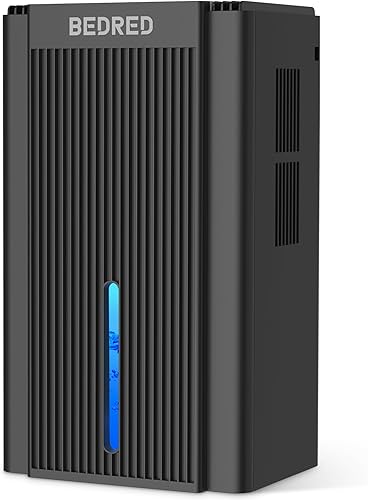
- Run a dehumidifier in the worst room at night. See the best dehumidifiers for bedrooms.
- Squeegee or vacuum the glass each morning so water does not soak into sills.
Permanent
- Upgrade the windows or add insulating film. Low-E double-pane or triple-pane glass stays warmer; plastic window insulation kits are a cheap winter fix for older windows.
Target humidity by outdoor temperature
A common rule of thumb for homes with double-pane windows:
| Outdoor temperature | Max indoor humidity |
|---|---|
| Above 40 °F (4 °C) | Up to 45–50% |
| 20 to 40 °F (-7 to 4 °C) | About 40% |
| 0 to 20 °F (-18 to -7 °C) | About 35% |
| Below 0 °F (-18 °C) | About 25–30% |
If you run a whole-house humidifier on your furnace in winter, turn it down on very cold nights. Learn more in our guide to ideal indoor humidity.
What helps


By type of window
Single-pane or aluminum frames
These get the coldest and will almost always fog in winter. Storm windows or plastic insulation film help a lot, and a dehumidifier keeps the dripping under control.
Double-pane vinyl or wood
If they fog regularly, the problem is almost certainly high indoor humidity. Focus on ventilation and dehumidifying.
Skylights and basement windows
Warm, moist air rises to skylights; basement windows sit next to cold ground. Both benefit from good air circulation and a dehumidifier in the space.
Water on the outside of the glass
Exterior condensation on summer or fall mornings is a sign of efficient windows, not a problem. It burns off as the sun warms the glass.
The bedroom: where condensation is worst
Bedrooms get the worst window condensation for a simple reason: two people sleeping for eight hours with the door closed add a significant amount of moisture, while the temperature outside hits its lowest point just before dawn. The glass gets colder, the air gets damper and the result is a puddle on the sill when you wake up.
What works best in a bedroom:
- Leave the bedroom door open at night if you can, so moisture spreads through the house instead of concentrating in one room.
- Run a quiet dehumidifier for a few hours before bed, or all night on its sleep setting. Our picks for the quietest dehumidifiers are made for this.
- Do not close heavy blackout curtains tight against the glass; leave a gap at the top or bottom so room air can warm the window.
- Open the window for 5–10 minutes as soon as you get up, then wipe the glass and sill.
- Never dry laundry or run a humidifier in the bedroom while the windows are dripping.
Kitchens, bathrooms and basements
In the kitchen, boiling pasta or running the dishwasher with the hood off can fog every window in minutes: use the range hood, vented outdoors, and keep lids on pots. In the bathroom, the fan should run during and for about 20 minutes after every shower. Basement windows and window wells collect condensation because they sit against cold ground; a dehumidifier set to 45–50% usually solves it. If the glass stays wet all day, the room's overall humidity is too high, and our guide on how to reduce humidity in a room walks you through every fix.
Dry air, clear windows
A dehumidifier in the bedroom is the fastest way to stop the morning drip. Compare the best models for your room.
See the best bedroom dehumidifiers →Frequently asked questions
Why are my windows wet on the inside in the morning?
Warm, moist indoor air touches the cold glass, cools below its dew point and the water vapor turns into droplets. Overnight, your breathing, a hot shower or drying laundry adds moisture while the outside temperature drops, so condensation peaks at dawn.
Is condensation on windows bad?
A little fog on a very cold morning is normal. Water running down the glass every day is not: it soaks the sills and frames, peels paint, rots wood and feeds black mold on the caulk and the wall below.
What humidity stops window condensation?
It depends on the outdoor temperature. With double-pane windows, keep indoor humidity around 35–40% when it is 20 °F (-7 °C) outside, and closer to 25–30% in a deep freeze. In milder weather, 40–50% is usually fine.
Will a dehumidifier stop condensation on windows?
Yes, if indoor humidity is the cause, which it is most of the time. Run it in the room with the worst windows, especially at night. Combine it with ventilation and you will see a difference in a few days.
Condensation between the panes: what does it mean?
Fog between the two panes of a double-pane window means the seal has failed. No dehumidifier can fix it; the glass unit needs to be replaced, which is often possible without replacing the whole window.
📚 Sources and references
Official agencies for more information on humidity, mold and indoor air quality.
- A Brief Guide to Mold, Moisture, and Your Home — U.S. Environmental Protection Agency (EPA)
- Mold — U.S. Environmental Protection Agency (EPA)
- WHO guidelines for indoor air quality: dampness and mould — World Health Organization (WHO)