🛈 If you buy through our links, Amazon pays us a small commission at no extra cost to you. That is how we fund these guides. How we choose.
📑 Table of contents
A musty smell, sheets that feel clammy, windows dripping in the morning or a hygrometer that never drops below 60%: a humid room is uncomfortable and, sooner or later, grows mold. The good news is that most rooms can be brought back to a healthy 40–50% with a few habits and, when needed, the right device. Here are 12 solutions, from free to permanent.
Why is my room so humid?
| Sign | Likely cause |
|---|---|
| Wet windows on cold mornings | Breathing overnight + cold glass |
| Musty smell in a basement bedroom | Ground moisture through concrete |
| Humidity spikes after showers | Weak or unused bathroom fan |
| Damp air all summer | Humid outdoor air, oversized AC that short-cycles |
| Damp spot on one wall | Leak or cold spot: check outside |
12 ways to reduce humidity in a room
Free habits
- Air out every morning. Open the window wide for 5–10 minutes, even in winter.
- Run the bathroom fan during showers and for 20 minutes after, and keep the bathroom door closed.
- Use the range hood when cooking and keep lids on pots.
- Do not dry laundry indoors, or do it only with a dehumidifier running.
- Move furniture 2–4 inches away from exterior walls so air can circulate.
- Keep the temperature steady. Cold rooms reach condensation faster; avoid big night-time setbacks.
- Check the dryer vent: it must exhaust outdoors, never into a basement or garage.
Small investment
- Measure with a hygrometer so you know whether your fixes are working.
- Put moisture absorbers in closets: see the best moisture absorbers.
- Use your AC's dry mode in muggy weather.
Lasting fixes
- Run a dehumidifier sized for the room. Our size calculator tells you what you need.
- Fix the building: upgrade a weak bathroom fan, clean gutters, extend downspouts and seal leaks.
What helps most

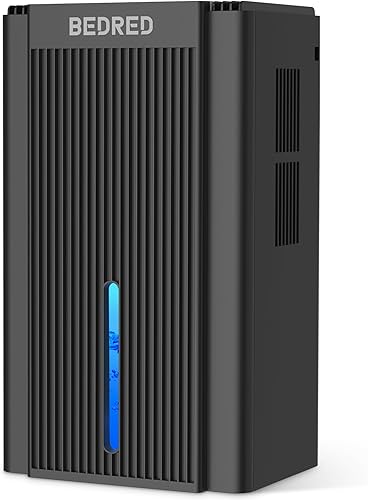


Which fix for which situation
| Situation | Best fix |
|---|---|
| Bedroom with wet windows | Morning ventilation + quiet dehumidifier at night |
| Basement bedroom or family room | 35–50 pint dehumidifier with drain hose |
| Bathroom stays steamy | Stronger exhaust fan on a timer |
| Musty closet | Hanging absorbers or mini dehumidifier |
| Humid apartment in summer | AC dry mode or a compact dehumidifier |
The bedroom: special case
One person breathing through the night adds moisture to the air, and with the door and window closed it has nowhere to go. That is why bedrooms are where most window condensation and mold show up. Run a dehumidifier for a few hours before bed, open the window for a few minutes in the morning and keep the bed off the exterior wall. If noise matters, see the quietest dehumidifiers or our picks for the best bedroom dehumidifier.
Room by room: what to focus on
Basement rooms
Ground moisture wicks through concrete all year, so ventilation alone rarely solves it. A dehumidifier with a drain hose, set to 45–50%, is the backbone. Store items in plastic bins on shelves, not cardboard on the floor, and make sure gutters and downspouts send rainwater well away from the foundation. Our basement dehumidifier guide has the details.
Bathrooms
The fan is everything. Run it during and 20 minutes after every shower, squeegee the walls and leave the door open once the fan is off. If the fan is weak or vents into the attic, fixing it beats any gadget.
Kitchens
Cooking, the dishwasher and a kettle add plenty of moisture. Use the range hood on every burner session, ideally a model that vents outside rather than recirculating.
Laundry rooms
Check that the dryer vent is clean and exhausts outdoors. If you air-dry clothes, a dehumidifier in the same closed room speeds drying and keeps the rest of the house dry: see dehumidifiers for drying clothes.
Summer vs. winter humidity
In summer, humid outdoor air is the main source, so keep windows closed on muggy days and let the AC or a dehumidifier do the work. Opening windows at night only helps when the outside air is drier than inside. In winter, outdoor air holds little moisture, so short bursts of fresh air are your best friend: they swap damp indoor air for dry air that warms up quickly.
What level should you aim for?
Between 40% and 50% in most rooms. In very cold weather, 30–40% helps prevent window condensation. Above 60% for days is the danger zone for mold and dust mites. More detail in our guide to ideal indoor humidity and, if your windows drip, how to stop window condensation.
Dry your bedroom for good
Quiet, efficient dehumidifiers sized for bedrooms, compared by noise, capacity and running cost.
See the best bedroom dehumidifiers →Frequently asked questions
How can I reduce humidity in a room without a dehumidifier?
Open windows for 5–10 minutes each morning, run bathroom and kitchen exhaust fans, stop drying laundry indoors, keep lids on pots, move furniture away from exterior walls and use your air conditioner in humid weather. Moisture absorbers help in closets and small spaces.
Does an air conditioner reduce humidity?
Yes. An AC removes moisture as it cools, which is why summer humidity often feels better with it running. Some units have a "dry" mode that focuses on dehumidifying. In mild, muggy weather, when the AC barely runs, a dehumidifier does a better job.
Do houseplants increase humidity?
They add a little moisture through their leaves and wet soil. A few plants will not make a big difference, but a room full of plants that are watered often can push humidity up. Avoid overwatering and keep saucers empty.
How long does it take a dehumidifier to dry a room?
A properly sized unit usually brings a bedroom from 65–70% down to about 50% in a few hours to a day. A damp basement can take a week or two to fully dry out, because walls, carpet and stored items release moisture too.
Does salt or rice absorb humidity in a room?
A little, but far too slowly to change the humidity of a whole room. They are not a substitute for ventilation or a dehumidifier. Calcium chloride absorbers are much more effective for small enclosed spaces.
📚 Sources and references
Official agencies for more information on humidity, mold and indoor air quality.
- A Brief Guide to Mold, Moisture, and Your Home — U.S. Environmental Protection Agency (EPA)
- Mold — U.S. Environmental Protection Agency (EPA)
- WHO guidelines for indoor air quality: dampness and mould — World Health Organization (WHO)
- Dehumidifiers — ENERGY STAR